
Catastrophic Motorcycle Injuries in Wisconsin: Proving Future Medical Costs, Lost Earning Capacity, and Life Care Needs
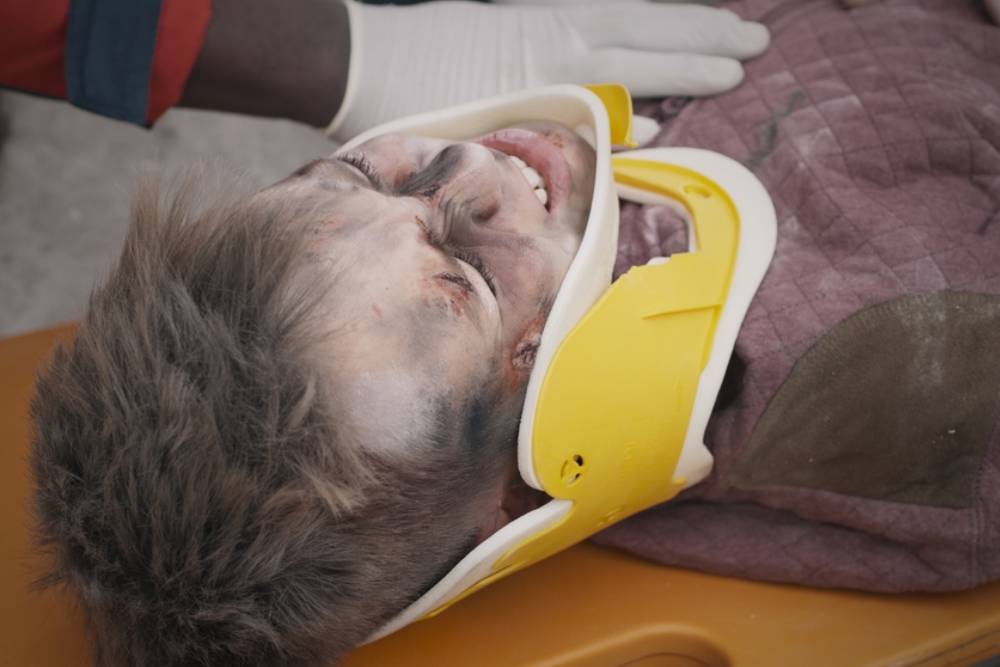
A catastrophic motorcycle injury may affect every remaining year of a rider’s life, yet insurance companies often value the claim by looking only at bills and wages already documented. That approach ignores future surgeries, rehabilitation, replacement medical equipment, reduced earning ability, home assistance, and other losses that may continue for decades.
A Wisconsin motorcycle accident lawyer must prove these future damages with medical opinions, employment records, vocational evidence, and credible cost projections. The insurer will rarely accept a lifetime damages calculation without challenging the assumptions behind it. Riders and families should therefore begin developing the claim before records disappear, medical opinions become harder to obtain, or financial pressure leads to an inadequate settlement.
Insurance Companies Argue That Future Treatment Is Only Possible
Wisconsin law does not permit compensation for treatment that is merely imaginable. Future medical care generally must be supported by evidence showing that it is reasonably certain to occur. Insurers use that requirement to characterize recommended surgeries, therapy, injections, and medical equipment as speculative.
A motorcycle accident attorney should obtain clear opinions from treating physicians identifying:
- The future treatment the rider will probably require
- The medical reason for each service
- How frequently treatment will occur
- How long the need is expected to continue
- Whether equipment, prosthetics, or mobility devices will require replacement
Vague statements that a rider “may need surgery someday” give the insurer room to exclude the expense entirely. Stronger medical evidence explains why the procedure is probable, what condition will require it, and when it is expected to occur.
Wisconsin Civil Jury Instruction 1758 addresses future health care expenses and allows jurors to consider the reasonable value of care that the injured person is reasonably certain to require. A Wisconsin motorcycle accident attorney should build the cost projection around that legal standard rather than presenting a broad estimate unsupported by the medical record.
Insurance Companies Use Treatment Gaps to Dispute Lifelong Care
A rider with permanent injuries may miss treatment because of hospitalization, transportation problems, financial hardship, insurance restrictions, or difficulty finding the right provider. The liability insurer may still argue that every missed appointment proves the injury has improved or that future care is unnecessary.
A motorcycle accident lawyer should document the reason for any interruption in care. Medical records, appointment logs, insurance denials, transportation records, and communications with providers can explain why treatment stopped or changed.
The lawyer should also distinguish between reaching maximum medical improvement and making a full recovery. A rider may no longer receive intensive therapy because the condition has stabilized, not because the disability has disappeared. Permanent paralysis, chronic pain, cognitive impairment, or limb loss may require long-term monitoring and assistance even when active treatment becomes less frequent.
Insurance Companies Attack Life Care Plans as Inflated
A life care plan can organize the rider’s expected medical, rehabilitation, equipment, personal-care, and accessibility needs. Insurers often respond by calling the plan excessive, duplicative, or based on services the rider has never used.
A lawyer should ensure that each recommendation has support from a treating provider or another qualified medical professional. The plan should reflect the injured rider’s actual diagnosis, age, home environment, level of independence, and expected medical course.
Depending on the injury, a life care plan may include future physician visits, medication, therapy, prosthetic replacement, wheelchairs, home health assistance, case management, accessible transportation, and medically required home modifications. The plan should also distinguish between medical care and replacement services so the same loss is not counted twice.
An insurer may argue that family members can provide unpaid care indefinitely. That position ignores the economic value of the service and the possibility that relatives may become unavailable, age, return to work, or lack the training required for advanced care. A Wisconsin motorcycle accident lawyer should document both the current assistance being provided and the professional services the rider may require later.
Insurance Companies Reduce Projected Costs by Using Present-Day Prices
Catastrophic injury claims may involve expenses arising 10, 20, or 40 years in the future. Insurers sometimes calculate those losses using current prices without adequately considering medical inflation, equipment replacement, or increasing care needs.
An attorney may work with an economist to determine when each future cost will occur and how the total should be adjusted to present value. The calculation should not simply multiply one year of expenses by the rider’s life expectancy. Some costs recur annually, while others arise only at specific intervals.
For example, a wheelchair may need replacement every several years, while a home modification may be a one-time expense. Prosthetic devices may require periodic replacement and adjustment. Attendant-care needs may also increase as the rider ages or as family support becomes unavailable.
Reliable projections identify the cost, frequency, duration, and source of each figure. Unsupported round numbers allow the insurer to portray the entire demand as exaggerated.
Insurance Companies Treat Returning to Work as Proof of No Future Wage Loss
A catastrophic injury does not always prevent all employment. Some riders return to work because they need income, receive temporary accommodations, or attempt to continue despite pain and physical restrictions. Insurance companies may then argue that returning to work eliminates any future earning-capacity claim.
Wisconsin law distinguishes lost wages from lost earning capacity. Past wage loss concerns income already missed. Lost earning capacity concerns the injury’s effect on the rider’s future ability to earn.
An Oshkosh motorcycle accident lawyer may prove reduced earning capacity through employment records, tax returns, medical restrictions, performance reviews, union agreements, benefit statements, and testimony about the rider’s prior career path.
The claim may include more than a reduction in hourly pay. A rider may lose access to:
- Overtime and shift premiums
- Promotions or supervisory positions
- Physically demanding assignments
- Travel opportunities
- Bonuses and commissions
- Pension contributions and employment benefits
- The ability to remain in the same occupation until retirement
A rider who earns the same salary immediately after the crash may still face future loss if the employer is providing temporary accommodations or if the medical condition makes long-term employment uncertain. An attorney should examine the probable career path before and after the injury rather than relying on one current paycheck.
Insurance Companies Blame Preexisting Conditions for Future Limitations
Many riders had prior back pain, arthritis, previous injuries, or other medical conditions before the collision. Insurers use those records to argue that future treatment and work limitations would have occurred regardless of the motorcycle crash.
A Green Bay motorcycle accident lawyer should separate the rider’s pre-crash condition from the new injury or aggravation caused by the collision. Earlier medical records may show that the rider was working, riding, exercising, or living independently before the crash despite a prior diagnosis.
Wisconsin law does not allow a negligent driver to avoid responsibility merely because the injured person was more vulnerable than someone else. The central question is whether the collision caused a new condition, worsened an existing condition, or accelerated the need for treatment.
Comparative medical evidence can be especially important. Imaging taken before and after the crash, changes in symptoms, new physical restrictions, and changes in treatment may establish the difference between a stable prior condition and a disabling post-crash injury.
Challenge an Undervalued Claim With a Wisconsin Motorcycle Accident Lawyer
A Wisconsin motorcycle accident lawyer can document future medical costs, lost earning capacity, and lifelong care before an insurer undervalues the claim. Call Davidson Law Office at 1-855-257-5997 today for a free case review and help protect your financial future.