Helmet Use and Injury Claims in Wisconsin: How Insurance Companies Use Safety Arguments to Reduce Payouts
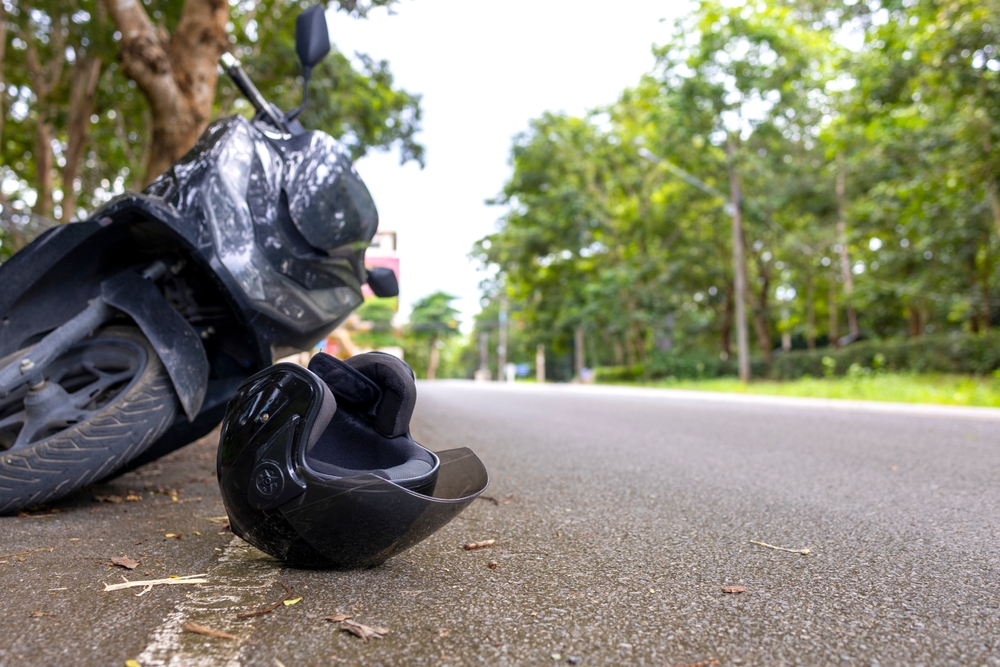
Wisconsin helped create American motorcycle culture. William Harley and Arthur Davidson sold their first motorcycle in Milwaukee in 1903, beginning a history now recognized around the world. More than a century later, however, an injured Wisconsin rider may still be treated as though choosing a motorcycle proves a willingness to accept whatever harm another driver causes.
Helmet arguments are one of the most effective tools for reinforcing that bias. An insurer can praise helmet safety while quietly using helmet nonuse to attack responsibility, medical causation, credibility, and damages (even where state law protects the rider’s recovery).
A Wisconsin motorcycle accident lawyer should force the claim back to the conduct that caused the crash and the evidence establishing each injury. The sections that follow expose the specific safety arguments carriers use to reduce payouts and the legal limits Wisconsin places on those arguments.
Turning Lawful Helmet Nonuse Into Alleged Negligence
The first tactic is linguistic. The adjuster may avoid claiming that helmet nonuse legally bars recovery and instead call the rider “careless,” “unreasonable,” or “partly responsible.” The object is still to place a percentage of fault on conduct that Wisconsin law protects.
Wisconsin’s comparative-negligence statute, Wis. Stat. § 895.045, ordinarily reduces damages according to a claimant’s causal negligence. Section 895.049, however, expressly applies notwithstanding § 895.045. For a rider outside the helmet mandate, comparative-fault terminology cannot accomplish the reduction the helmet statute forbids.
Blaming the Rider for the Severity of the Injuries
A carrier may concede that its insured caused the collision while arguing that the rider caused the seriousness of the harm. That position separates crash fault from injury fault only to preserve a helmet discount.
Section 895.049 is directed at recovery itself. For a protected rider, lawful helmet nonuse cannot be used to reduce compensation for head trauma, pain and suffering, future medical care, or lost earning capacity. A motorcycle accident attorney should require the carrier to value those losses from medical and economic proof rather than a general judgment about riding choices.
Mislabeling Helmet Nonuse as a Failure to Mitigate Damages
“Failure to mitigate” sounds more technical than “rider fault,” which is why an adjuster may use it. Mitigation generally concerns reasonable conduct after an injury to prevent avoidable additional loss. It is not a lawful means of reviving pre-collision helmet conduct that § 895.049 removes from the damages calculation.
Refusing recommended treatment, disregarding medical restrictions, or abandoning reasonable rehabilitation may create a genuine mitigation dispute. Riding without a helmet when Wisconsin law did not require one is different. A Wisconsin motorcycle accident attorney should demand identification of the alleged legal duty, the particular loss supposedly increased, and competent evidence connecting the two.
Claiming a Helmet Would Have Prevented Every Injury
An adjuster may treat “no helmet” as grounds to discount the entire bodily-injury claim, even when the rider suffered fractures, spinal damage, internal injuries, road rash, or lower-extremity trauma.
The carrier should be required to answer injury-specific questions:
- Which diagnosed injury is allegedly attributable to helmet nonuse?
- What impact mechanism caused that injury?
- What medical or biomechanical evidence supports the opinion?
- Would an approved helmet have prevented the injury or merely changed its degree?
- Why should the theory affect wage loss, future treatment, or injuries unrelated to the head?
A Green Bay motorcycle accident lawyer can compare those answers with imaging, surgical reports, treating-provider opinions, rehabilitation records, and the physical evidence. A broad safety assumption is not a medical-causation analysis.
Building a Safety Defense Through Recorded Statements
Recorded statements allow the carrier to create phrases it can later detach from context. “I usually wear one,” “I wish I had,” or “I did not see the car” may be presented as admissions even though none resolves right of way, statutory protection, or medical causation.
Typical questions used to develop that record include:
- Why were you not wearing a helmet or full protective gear?
- How long had you owned or ridden that motorcycle?
- Have you completed formal motorcycle training?
- Had you previously crashed or received traffic citations?
- Do you agree that a helmet might have reduced your injuries?
An Oshkosh motorcycle accident lawyer can address legitimate factual questions without allowing regret, uncertainty, or speculation to replace legal proof. An insurer should not be allowed to replace missing evidence with assumptions about how motorcyclists behave.
Applying a Helmet Discount to the Entire Claim
Even when § 347.485 required helmet use, the carrier did not receive an automatic percentage reduction against every damage category. Wisconsin’s comparative-negligence statute requires causal negligence, meaning that the alleged conduct must be connected to the loss being reduced.
Helmet nonuse does not reduce motorcycle property damage, prove that the rider caused the collision, or explain injuries a helmet could not have prevented. A motorcycle accident lawyer should also determine whether the helmet mandate applied, whether the proposed helmet satisfied applicable standards, and whether the insurer’s medical opinion accounts for the actual collision mechanics.
The Wisconsin Department of Transportation strongly recommends helmets for all riders, but its safety recommendation does not transform helmet use into a universal legal requirement.
Threatening Jury Bias to Pressure a Lower Settlement
An adjuster may tell the rider that a jury will punish anyone who chose not to wear a helmet. Wisconsin Statute § 901.053 sharply limits that threat. In a personal-injury or property-damage action, evidence of helmet use or nonuse is generally inadmissible when the person was not legally required to wear protective headgear.
The statute contains narrow exceptions for certain claims alleging a defect in the helmet and the limited issue of whether headgear contributed to injury or property damage suffered by another person. Those exceptions do not permit a general character attack against an injured motorcyclist. A Wisconsin motorcycle accident lawyer should assess admissibility before predicted jury prejudice influences settlement value.
Stop the Helmet Argument From Controlling the Claim
Wisconsin law distinguishes a safety recommendation from a lawful basis for reducing compensation, and early action helps keep that distinction intact. Davidson Law Office offers free case reviews and no fees unless it wins, so call 1-855-BKR-LWYR or use this page before an unsupported helmet theory becomes the working value of the claim.