Helmet Laws in Wisconsin: How They Affect Motorcycle Accident Cases
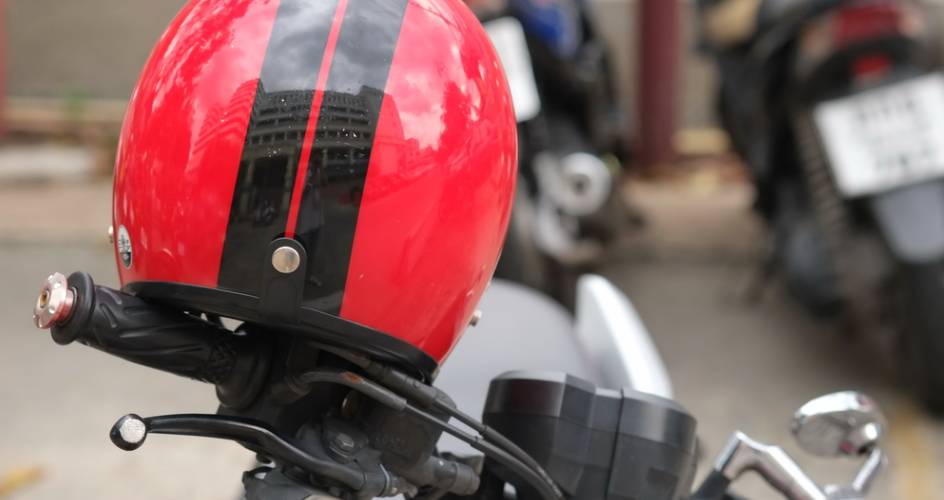
Could not wearing a helmet give the insurance company a reason to cut down your motorcycle accident claim?
Wisconsin’s helmet law is limited, but that does not stop insurers from raising helmet arguments when they want to reduce what they pay. The real legal issue is not just whether a helmet was worn. It is whether Wisconsin law required one, whether the lack of a helmet actually relates to the injuries involved, and whether the insurer is trying to use that point to distract from the true cause of the crash. The better way to understand the issue is to see how it affects the case step by step after the motorcycle crash.
At the Crash Scene
The helmet issue usually starts at the scene, long before anyone begins serious settlement talks. Police officers may note whether the rider was wearing a helmet. Emergency responders may document head trauma, facial injuries, or the condition of the rider’s gear. Witnesses may say whether the helmet came off during impact, whether the rider had one at all, or whether another vehicle forced the motorcycle down. Photos taken by law enforcement, bystanders, or the parties involved can also preserve details that later become part of the insurance company’s position.
The first records often become the first version of the case. If the accident report mentions no helmet and visible head injuries, the insurer may immediately start building a damages argument. If the report instead shows that a driver turned into the rider’s path, followed too closely, changed lanes without seeing the bike, or struck the motorcycle from behind, that can help keep the focus where it belongs: on what caused the collision.
The earliest pieces of evidence often shape the claim in three important ways:
- They create the first written record of whether a helmet was worn.
- They preserve facts about how the crash happened before memories start changing.
- They give the insurer an early chance to frame the rider’s injuries its own way.
Under Wisconsin law, the key question is not simply whether the rider had a helmet on. The real question is whether state law required that rider to wear one. Wisconsin does not require every adult motorcyclist to wear a helmet, and that point matters. A lawful choice by an adult rider is not the same as a situation involving someone who was legally required to wear one. That distinction can affect how the claim is evaluated from the very beginning.
In the First Days After the Crash
Once the claim begins, the insurance company usually starts looking for ways to limit exposure. Helmet use gives it an opening. Even when another driver clearly caused the crash, the adjuster may begin suggesting that the rider made the injuries worse by not wearing a helmet. That approach can be effective because it shifts attention away from the wreck itself and toward a single detail that sounds damaging at first glance.
This is also the stage where many injured riders unintentionally hurt their own cases. A recorded statement given too early may include guesses about speed, reaction time, awareness, or what might have happened if a helmet had been worn. Those guesses can later be used against the rider. A sentence that sounds careful or honest in the moment may be turned into a partial admission about damages. That is why early case handling matters so much in a motorcycle injury claim.
A rider can protect the case early by focusing on a few practical steps:
- Keep the helmet, if one was worn, in the same condition it was in after the wreck.
- Save photos of the motorcycle, the roadway, the other vehicle, and visible injuries.
- Be cautious about giving detailed recorded statements before the full facts are clear.
The insurer is not simply gathering information. It is building a story. If the rider does not protect the facts early, the insurance company may shape the case around the helmet issue before the real evidence is fully understood. A skilled Wisconsin motorcycle accident lawyer will usually work to stop that from happening by tying the claim to the actual crash facts, the medical evidence, and the legal limits of the helmet issue rather than letting the insurer stretch one detail into the whole case.
During Medical Treatment
As treatment begins, the value of the helmet argument becomes more precise. In some cases, the insurer’s position is weak from the start. If the rider’s main injuries involve the legs, hips, ribs, spine, shoulder, or internal organs, helmet use may have little or nothing to do with the damages being claimed. In that situation, the insurer may still mention the helmet issue, but the point may not fit the actual medical evidence.
The picture changes when the injuries involve traumatic brain injury, concussion, skull fracture, facial fractures, dental injuries, or serious eye trauma. Then the insurer may argue that not wearing a helmet increased the severity of the harm. Even then, that does not automatically erase the fault of the driver who caused the crash. It changes the damages fight, not necessarily the liability analysis. That distinction becomes very important as the case develops.
Medical treatment can strengthen or weaken the insurer’s helmet argument depending on what the records show. Three issues often matter most:
- whether the claimed injuries are head-related or mostly unrelated to helmet protection,
- whether symptoms were documented early and consistently, and
- whether the treatment record supports or undercuts the insurer’s theory.
The records should clearly show what injuries were diagnosed, when symptoms appeared, what treatment was needed, and what lasting effects remain. The stronger the medical documentation, the harder it becomes for the insurance company to make broad claims that go far beyond the facts. Good medical proof can also help separate injuries that may be related to helmet use from injuries that clearly are not. A motorcycle accident attorney will usually look closely at the medical timeline because that is where the helmet issue has to be tested against actual evidence instead of assumptions.
As the Case Develops
One of the most important legal points in these cases is that causing the crash is not the same as affecting the seriousness of an injury. Insurance companies often blur those issues on purpose. They want the rider to look more responsible for the whole outcome than the facts support. But those are two separate questions, and keeping them separate is critical to a fair evaluation of the claim.
If a driver turned left in front of a motorcycle, drifted into the rider’s lane, failed to yield, or rear-ended the bike, the driver may still be responsible for causing the wreck. That remains true even if the insurer later argues that certain head injuries might have been reduced by helmet use. In other words, helmet use may become part of the damages discussion without changing who actually caused the collision.
During Settlement Talks
Settlement negotiations are often where the insurer pushes hardest. Instead of denying fault outright, the company may argue that the rider’s choices justify paying less. It may say a jury will react badly to the lack of a helmet. It may question future care, discount pain and suffering, or insist that the injuries would have been far less serious with different gear. That kind of pressure is designed to move the claim downward even when the legal and medical facts are more favorable than the insurer admits.
Delay can be dangerous. Evidence does not improve with time. Witnesses forget details. Damaged helmets get thrown away. Photos disappear. The motorcycle gets repaired. What feels like waiting can actually give the insurance company more leverage.
Your Wisconsin Motorcycle Accident Lawyer Can Protect Your Claim Today
A helmet issue should never be allowed to take over a motorcycle accident case without careful analysis. The real questions are whether Wisconsin law required a helmet, what caused the crash, what injuries were suffered, and whether the insurer can fairly connect helmet use to the damages being claimed. Acting early helps preserve evidence, protect the medical record, and keep the claim focused on the true cause of the collision. Davidson Law Office represents injured riders throughout Wisconsin, and riders who need answers after a serious wreck can call 1-855-257-5997 to get started.